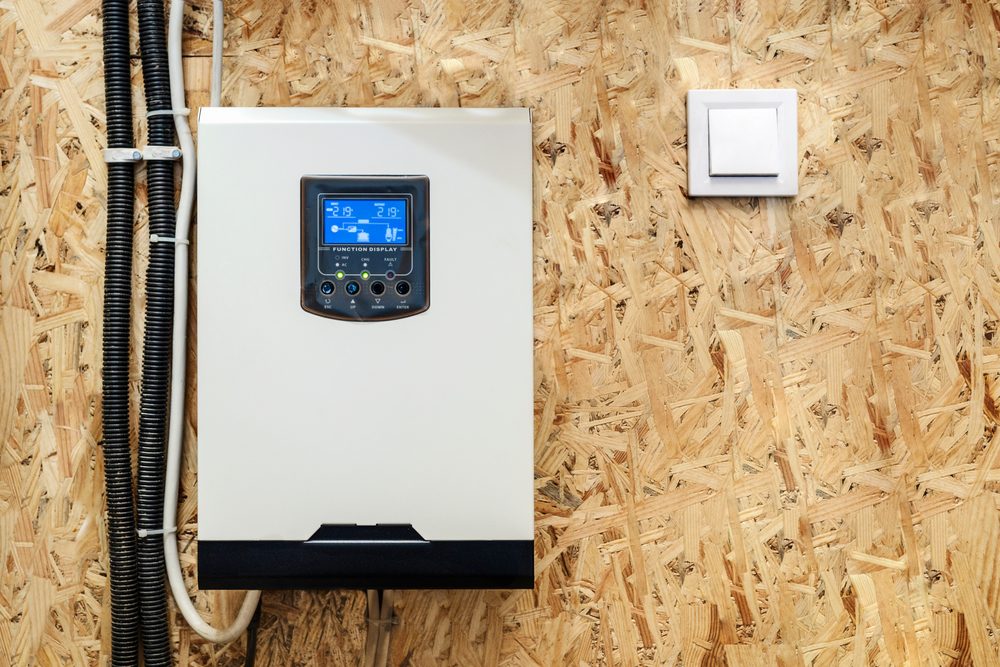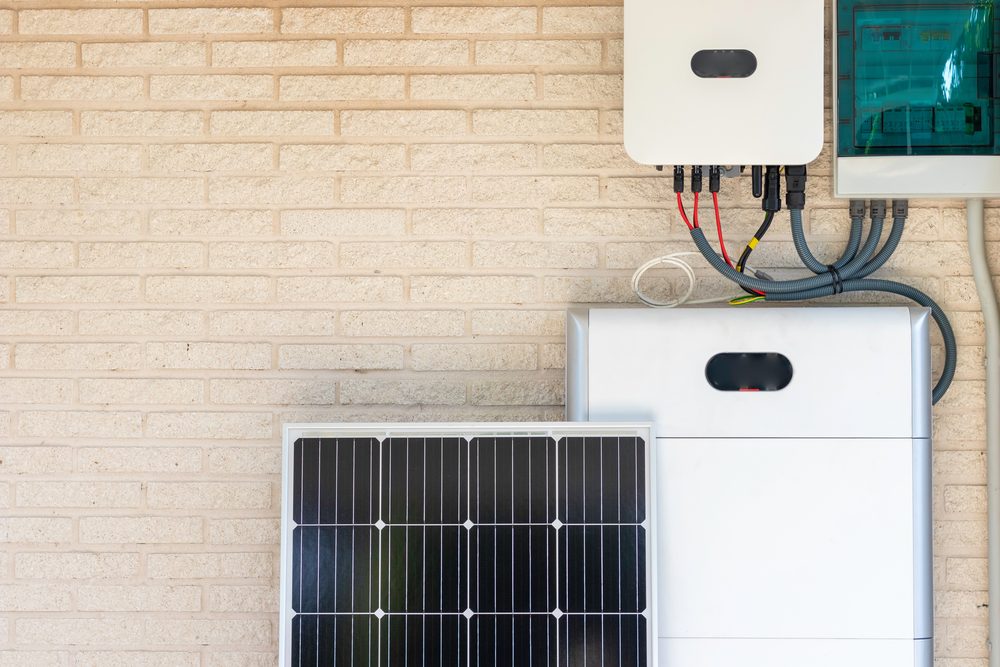
The 5.12 kWh lithium battery is the most common home battery in South Africa. It’s the box most installers put on the wall next to a 5 kW hybrid inverter, and the first question everyone asks is how long it lasts.
The honest answer is that the battery doesn’t decide. Your loads do.
Start with what the battery can actually give
A 5.12 kWh battery doesn’t hand you 5.12 kWh. Most installers set lithium iron phosphate (LFP) batteries to stop discharging at around 10% to 20% charge, which protects the cells. At 90% usable, you get roughly 4.6 kWh.
The inverter also eats a little just by being switched on. Many 5 kW hybrid units draw somewhere around 50 to 100 W at idle. That sounds small until you remember it runs all night.
Add up what stays on
Walk around the house and list what you actually want running when the grid is off or the sun is down. For a typical evening it looks something like this:
| Appliance | Average draw |
|---|---|
| Fridge-freezer (it cycles on and off) | 120 W |
| Fibre router and Wi-Fi | 20 W |
| Eight LED downlights | 60 W |
| TV and decoder | 80 W |
| Laptop charging | 50 W |
| Inverter idle draw | 60 W |
| Total | 390 W |
Now divide:
Evening runtime on one battery
That’s a full night on one battery, with room to spare.
Then add the kettle
Here’s where people get caught. A kettle pulls about 2,000 W. A microwave around 1,200 W. A hairdryer, an iron, a pool pump on the backup circuit, and suddenly the battery is gone by 9pm.
Ten minutes of kettle uses about a third of a kWh. Do that three times in an evening and you’ve spent a full kWh on tea. That’s more than two and a half hours of the whole evening load above.
If those appliances are wired into your backup circuit, the battery will run them. Whether you want it to is another matter. Most installers leave the geyser, stove, oven and pool pump off the backup board for exactly this reason.
Quick reference
| What’s running | Rough load | Runtime on 4.6 kWh usable |
|---|---|---|
| Fridge, router, a few lights | 250 W | 18 hours |
| Evening basics, as above | 390 W | 12 hours |
| Basics plus a home office | 600 W | 7.5 hours |
| Basics plus kettle and microwave use | 1,000 W average | 4.5 hours |
Measure before you buy
These are averages. Your fridge might be ten years old and twice as thirsty. A plug-in energy meter costs a few hundred rand and tells you exactly what each appliance uses over a day. It’s the cheapest bit of solar kit you’ll ever buy, and it can stop you from buying a second battery you don’t need.
If your evening load is under 400 W, one 5 kWh battery will carry you through the night. If it’s closer to 1,000 W, you either need two batteries or a bit of discipline about the kettle.