Which inverter and battery to buy, how big they need to be, and the paperwork your municipality wants. We update this page whenever the grid situation changes.
Updated 29 Oct 2026 · 12 min read
No load shedding for over a year. Each stage cuts about 1,000 MW more from the grid.
South Africa has gone more than a year without scheduled load shedding, and rooftop solar passed 8 GW of installed capacity in 2026. So the reason to buy a battery has shifted. It’s less about getting through Stage 6 and more about using your own solar after dark, when grid power costs the most.
Load shedding can still come back if several coal units break down at once. A decent backup system handles both.
| Type | Grid needed? | Battery? | Works during outages? |
|---|---|---|---|
| Grid-tied | Yes | No | No, it shuts down for safety |
| Hybrid | Optional | Yes | Yes, on backup circuits |
| Off-grid | No | Yes | Yes, always on battery |
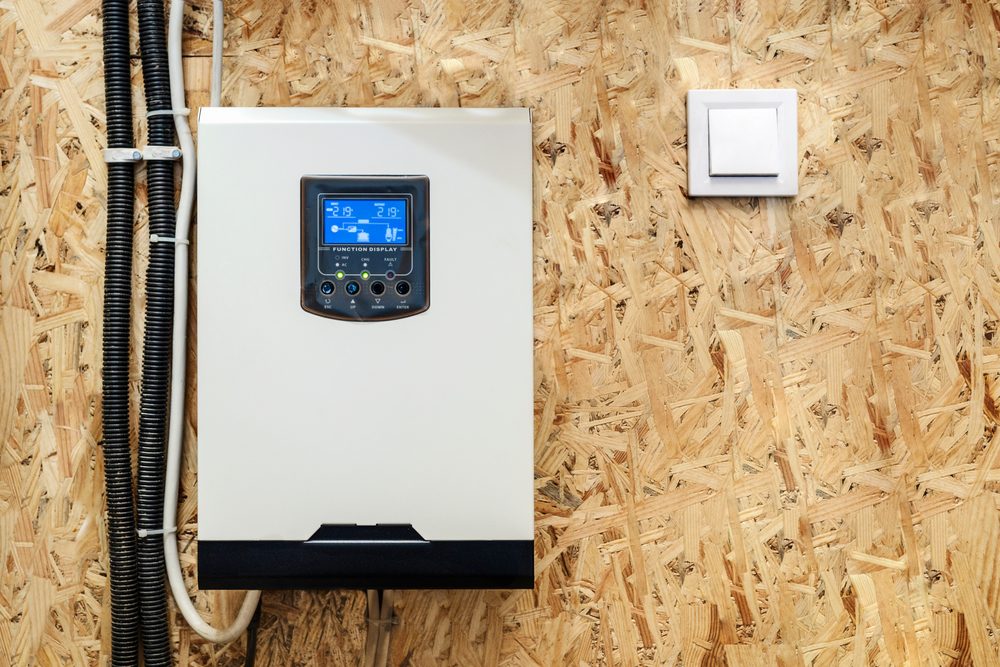
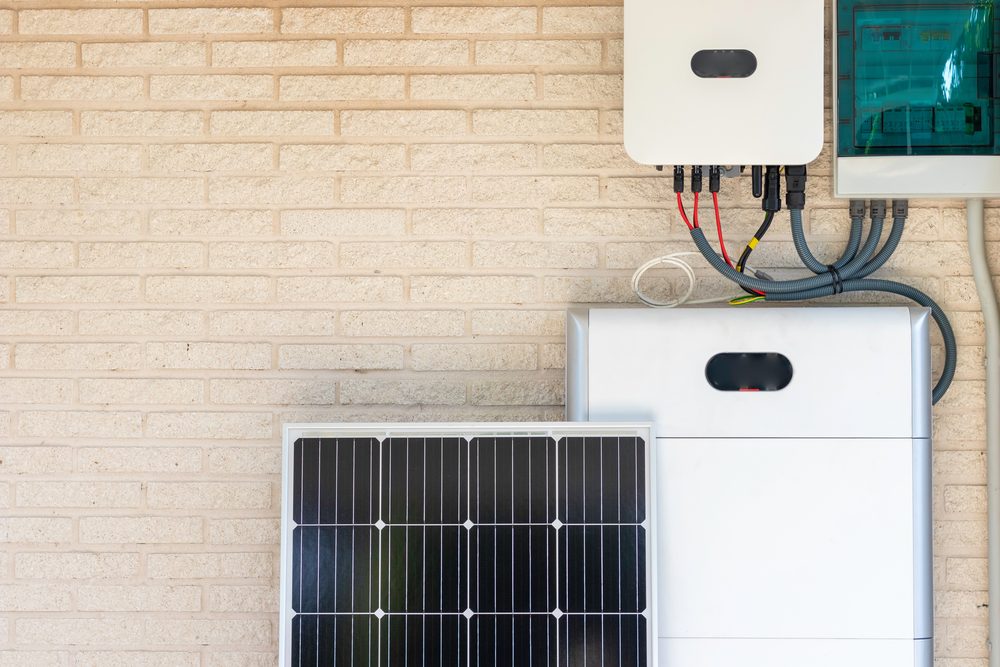
Most South African homes end up with a hybrid inverter. It runs the house on solar first, charges the battery with what’s left over, and switches to the battery within milliseconds when the grid drops.
Lithium iron phosphate (LFP) has taken over the home market. It copes with heat, lasts thousands of cycles and lets you use most of its rated capacity. We compare it with lead-acid in LFP vs lead-acid.
| Type | Usable depth | Typical cycles |
|---|---|---|
| LFP | 80 to 95% | 4,000 to 6,000+ |
| Lead-acid | 50% | 300 to 1,200 |
Size the battery for what you want to keep running and for how long. Leave the geyser, oven and kettle off the backup circuit.
Battery for four hours of essentials
One 5.12 kWh LFP battery covers it, with some to spare.
A fridge, lights, Wi-Fi, TV and a laptop usually draw 300 to 600 W between them. A plug-in meter will tell you your real number for a few hundred rand.
An unregistered grid-tied system can be disconnected and fined, and it may void your home insurance.
Yes, if you start with a hybrid inverter. Buy the same brand and model as your first battery so they work together properly.
It can, but it’ll flatten a battery fast. Put the geyser on a timer instead, or fit a PV geyser element that runs straight off panels.
Guides, tariff changes and what’s happening on the grid, by email. We never send sponsored content.