Most solar quotes arrive as a bundle: an inverter, a battery and “about ten panels”. Sometimes that’s spot on. Sometimes it means you’ll still be buying Eskom power every winter afternoon, or paying for panels that sit idle at midday because the inverter can’t use what they make.
You don’t need an engineer to check the number. You need last year’s municipal bills and a calculator.
Find your daily usage
Add up the kWh on twelve months of bills and divide by 365. Twelve months matters, because a Highveld winter with the geyser and heaters on looks nothing like February.
A suburban home with a geyser, pool pump and electric stove usually lands between 20 and 30 kWh a day. We’ll use 25 kWh for the rest of this post. That’s about 750 kWh a month.
Look up your peak sun hours
Peak sun hours are the hours a day your roof would get if the sun shone at a steady 1,000 W/m². It’s a strange unit, but it makes the maths easy.
South Africa does well here. Upington gets about 6 a day on average, Johannesburg about 5.5 and Cape Town about 5.3. Cape winters dip well below that average, so if you live there, size with some headroom.
Allow for losses
Heat, dust, wiring and the inverter all take a slice. A factor of 0.8 is a fair starting point for a clean roof facing north at a sensible angle. Use 0.75 if your panels face east or west.
Now put it together:
Array size for a 25 kWh-a-day home in Johannesburg
Turn kWp into panels
Divide by the wattage of the panel on your quote. With 550 W panels, 5.7 kWp is 10.4 panels. Round up to 11 and you have 6.05 kWp.
Here’s the same sum for three cities:
| Daily use | Johannesburg | Cape Town | Durban |
|---|---|---|---|
| 15 kWh | 7 × 550 W | 7 × 550 W | 8 × 550 W |
| 25 kWh | 11 × 550 W | 11 × 550 W | 13 × 550 W |
| 35 kWh | 15 × 550 W | 16 × 550 W | 18 × 550 W |
Don’t outgrow your inverter
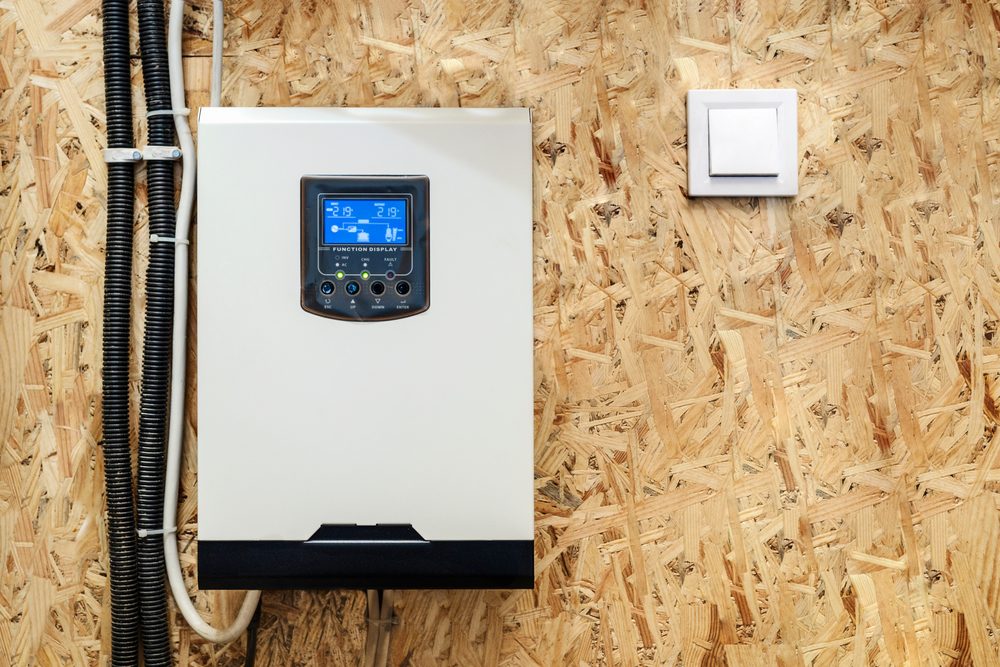
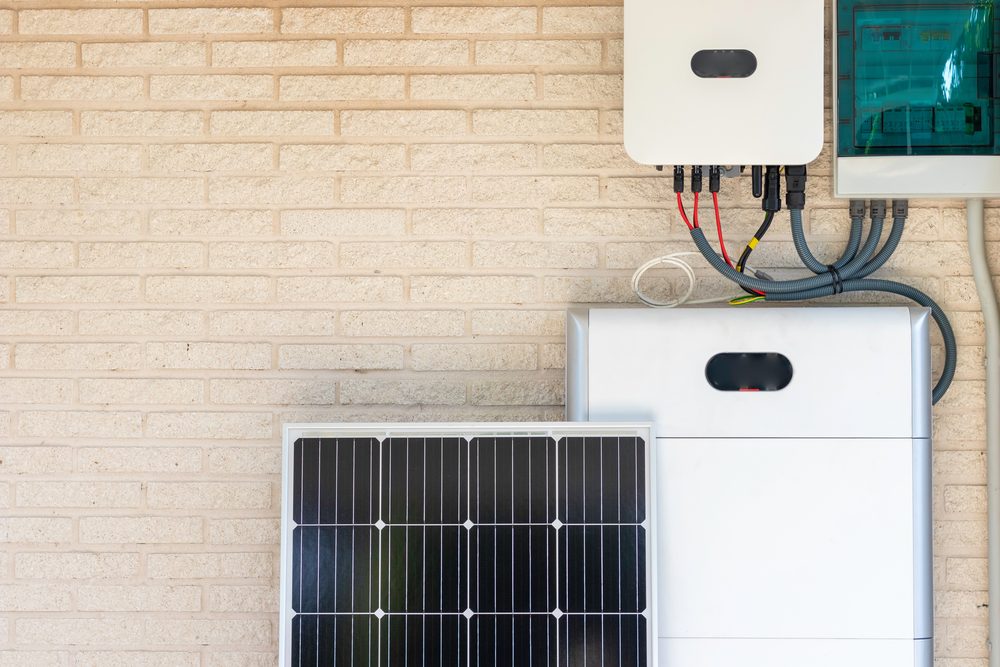
The inverter decides how much solar you can use at any moment. Most hybrid inverters happily take around 30% more panel capacity than their AC rating, so a 5 kW unit pairs well with a 6 kWp array. Push much further and the extra panels mostly go to waste around noon.
every grid-connected system needs SSEG approval from the City before it’s switched on, even if you never export a single kWh. Ask your installer for the application and the electrical Certificate of Compliance.
What this number won’t tell you
It won’t size your battery. That depends on what you run after dark, which is a different sum (we cover it in How long will a 5 kWh battery run your house?).
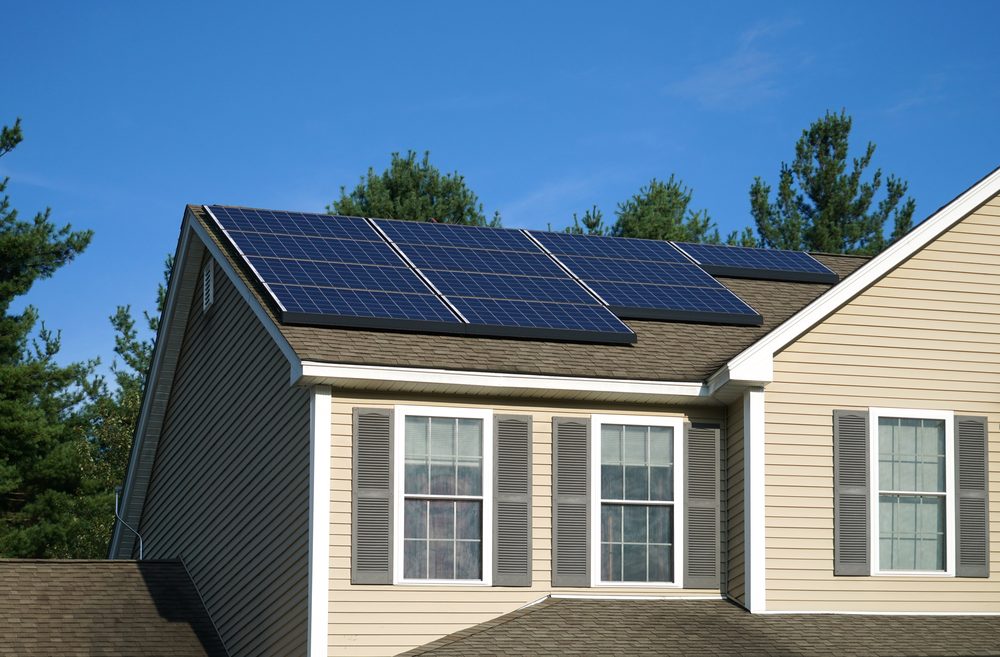
It won’t check your roof space either. Allow roughly 2.6 m² per 550 W panel, plus gaps for walkways and edges.
And it won’t give you a payback period. That hangs on your tariff and how much of your solar you use yourself rather than export.
Treat the number as a sense check. If two installers quote 6 kWp and a third quotes 12 kWp for the same house, ask the third one to show their working.